
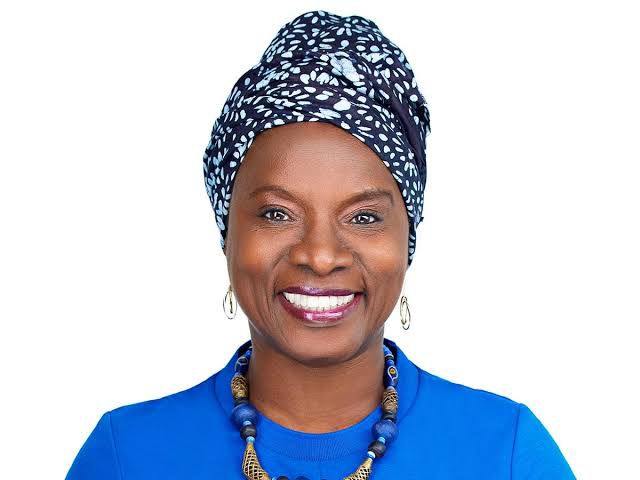
Angélique Kidjo, born on July 14, 1960, in Ouidah, Benin, is one of Africa’s most celebrated musical legends a powerhouse vocalist, songwriter, and activist whose influence stretches across continents. Raised in a creative household with a theatre-director mother and a musician father, she was surrounded by rhythm, dance, and storytelling from childhood. By her teenage years, she was already performing with bands, blending traditional Beninese sounds with global styles. Her journey eventually took her to France, where she refined her craft, expanded her musical identity, and started shaping a sound that would one day redefine world music.
Her rise accelerated in the 1990s as she released groundbreaking albums like Logozo, Fifa, and Black Ivory Soul, capturing the attention of global audiences. Angélique became known for her electrifying stage presence, multilingual performances, and her fearless fusion of Afrobeat, jazz, funk, Latin rhythms, and traditional West African music.
Over the years, she earned multiple Grammy Awards, performed on the world’s biggest stages, collaborated with legends like Alicia Keys, Dave Matthews, and Philip Glass, and cemented herself as one of the most powerful storytellers of her generation. But Angélique’s work extends beyond music: she uses her platform to advocate for women’s rights, education, and the empowerment of young girls across Africa, serving as a UNICEF Goodwill Ambassador and launching initiatives focused on leadership and development.
Yet Angélique Kidjo’s impact reaches deeper than awards and global acclaim. She stands as a cultural bridge; a woman who carried the sounds of Benin onto the world stage while preserving her identity, her heritage, and her message of inclusion. Her music celebrates African history, resilience, and joy, showing new generations that their stories deserve to be heard. Today, Angélique continues to inspire artists, activists, and young Africans everywhere with her timeless voice, bold creativity, and unwavering commitment to shaping a more inclusive world. Her journey proves that African art is not just influential; it is essential, powerful, and capable of transforming hearts across the globe.